
Offshore Wind Marine Coordination: Roles, Responsibilities & Best Practices
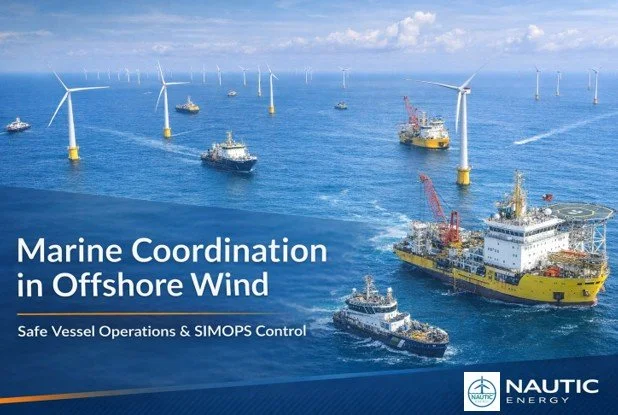
Marine coordination is a critical function in offshore wind projects, ensuring safe vessel operations, effective SIMOPS management and efficient offshore delivery. With multiple vessels, contractors and high-risk activities operating simultaneously, strong coordination is essential to maintain safety, prevent conflicts and support project success.
In this article, we explain the role of marine coordination in offshore wind, the key responsibilities involved, and best practices for safe and efficient operations.
What is Marine Coordination in Offshore Wind?
Marine coordination refers to the management and control of all vessel activities within an offshore wind project site. This includes overseeing vessel movements, managing communication between offshore and onshore teams, and ensuring all operations are carried out safely and in line with project procedures.
Effective marine coordination is especially important in environments where SIMOPS (simultaneous operations) are taking place, such as installation, commissioning and maintenance activities.
Key Responsibilities of Marine Coordination
Marine coordination teams play a central role in offshore wind operations. Their responsibilities typically include:
Monitoring and tracking all vessels within the project area
Managing vessel movements to prevent conflicts and ensure safe navigation
Coordinating with construction, installation and operations teams
Supporting safe working practices through real-time communication
Maintaining situational awareness across the entire offshore site
Strong coordination ensures that all activities are aligned and that risks are identified and managed before they impact operations.
Managing Vessel Movements and Traffic
One of the most critical aspects of marine coordination is the control of vessel movements within and around the wind farm.
With multiple vessels operating in restricted areas, effective vessel coordination is required to ensure safe distances are maintained, exclusion zones are respected, and operations are carried out without conflict.
This requires clear procedures, continuous monitoring and strong communication between all parties involved.
SIMOPS and Risk Management
Offshore wind projects often involve multiple activities taking place at the same time. These SIMOPS environments increase operational complexity and require careful planning and coordination.
Marine coordination plays a key role in:
Identifying potential conflicts between activities
Sequencing operations safely
Communicating risks to all stakeholders
Supporting decision-making in real time
By maintaining oversight of all activities, marine coordination teams help reduce risk and ensure safe project execution.
Communication and Real-Time Control
Clear and effective communication is essential for successful marine coordination.
This includes:
Vessel-to-vessel communication
Offshore-to-onshore coordination
Communication with marine contractors and site teams
Using modern digital systems and real-time tracking tools, marine coordinators can maintain full visibility of operations and respond quickly to changing conditions.
Best Practices for Marine Coordination
To ensure safe and efficient offshore wind operations, marine coordination should follow a number of best practices:
Maintain continuous situational awareness across the site
Use real-time vessel tracking and monitoring systems
Establish clear communication protocols
Integrate marine coordination with site management and HSE teams
Plan and manage SIMOPS activities proactively
These practices help ensure that offshore operations are carried out safely, efficiently and with full control.
Why Marine Coordination Matters
Without effective marine coordination, offshore wind projects face increased risks, including vessel conflicts, delays and safety incidents.
By implementing structured coordination processes and experienced personnel, developers and operators can significantly improve safety performance and operational efficiency.
How Nautic Energy Supports Marine Coordination
Nautic Energy provides experienced marine coordination personnel and support services for offshore wind projects across Taiwan, APAC, the UK and Europe.
Our teams combine practical offshore experience with structured processes and digital tools to ensure safe and efficient marine operations.
Contact Nautic Energy
Looking for support with offshore wind marine coordination, vessel coordination or site management?
Contact Nautic Energy to discuss how we can support your project.