
The Role of Permit to Work (PTW) Systems in Offshore Wind Operations
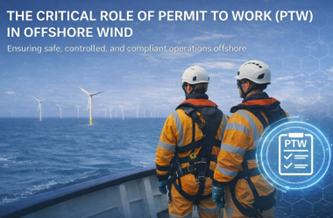
The Role of Permit to Work (PTW) Systems in Offshore Wind Operations
In the high-risk, multi-contractor environment of offshore wind, controlling work activities is just as critical as managing vessel movements. With simultaneous operations (SIMOPS), confined workspaces, and hazardous energy systems, ensuring that every task is properly authorised, risk-assessed, and coordinated is fundamental to safe and efficient project delivery.
This is where Permit to Work (PTW) systems play a vital role. Acting as the backbone of operational control, PTW systems ensure that all activities are planned, reviewed, and executed under strict safety governance — reducing the risk of incidents while maintaining operational efficiency.
How PTW Enhances Offshore Wind Site Management
At Nautic Energy, we deploy advanced digital PTW solutions through NOMAS (Nautic Offshore Management Access System), providing a structured and fully auditable approach to managing offshore activities.
The system enables full visibility of ongoing work scopes, ensuring that all tasks are authorised, coordinated, and aligned with site conditions in real time.
🔹 Centralised Work Authorisation
All work activities are managed through a single digital platform, ensuring:
Standardised permit creation and approval workflows
Clear definition of task scope, location, and responsible parties
Controlled issuance of permits by authorised personnel only
Elimination of paper-based inconsistencies and delays
🔹 SIMOPS & Task Coordination
With multiple contractors working across turbines, substations, and vessels, PTW systems enable:
Visibility of all active permits across the site
Identification of conflicting activities (e.g. hot works vs fuel transfers)
Coordination between teams to safely sequence operations
Integration with marine coordination to align vessel and work activities
🔹 Risk Assessment & Control Measures
Each permit is supported by structured risk controls, including:
Task-specific hazard identification and mitigation measures
Linkage to Method Statements (RAMS)
Isolation requirements (LOTO) where applicable
Toolbox talk confirmations prior to work commencement
🔹 Real-Time Status & Accountability
Digital PTW systems provide live updates on:
Active, suspended, and completed permits
Responsible persons and work parties
Location-based activity tracking across the wind farm
This ensures full accountability and allows Marine Coordinators and O&M teams to maintain control at all times.
🔹 Audit Trail & Compliance
A fully digital PTW system creates a complete record of:
Permit approvals and sign-offs
Time-stamped activity logs
Changes, suspensions, and close-outs
This is essential for:
Regulatory compliance
Incident investigations
Client reporting and assurance
Benefits to Developers and Operators
By integrating PTW into daily operations, Nautic Energy supports:
Improved safety performance through controlled work execution
Reduced operational risk during SIMOPS
Enhanced coordination between offshore teams and vessels
Greater efficiency through streamlined approval processes
Full transparency and traceability of all work activities
Why Choose Nautic Energy?
With extensive offshore wind experience across construction and operations phases, Nautic Energy understands the practical challenges of managing complex offshore activities.
Through NOMAS, we combine PTW, marine coordination, and vessel tracking into a single integrated platform — delivering a smarter, safer, and more efficient approach to offshore wind site management.
We don’t just provide systems — we provide experienced personnel and proven processes that ensure your project operates with full control and confidence.
Looking to enhance your Permit to Work system and offshore coordination?
Contact Nautic Energy to discuss how NOMAS can support your project
The Importance of PPE in Offshore Wind: Protecting People in High-Risk Environments
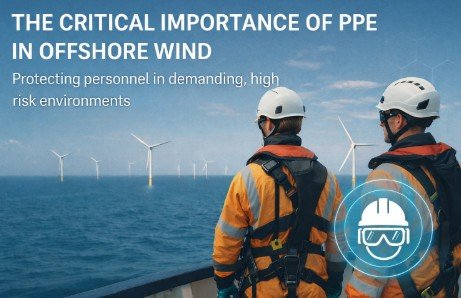
The Importance of PPE in Offshore Wind: Protecting People in High-Risk Environments
Offshore wind is one of the most demanding industrial environments in the world. From vessel transfers and turbine access to lifting operations and live electrical systems, personnel are routinely exposed to hazards that leave no margin for error.
In this context, Personal Protective Equipment (PPE) is not a box-ticking exercise — it is a critical last line of defence that protects lives, prevents injuries, and ensures offshore operations continue safely and efficiently.
At Nautic Energy, PPE is viewed as a core component of operational safety, embedded into every task, every transfer, and every offshore activity.
⚠️ Why PPE Is So Critical Offshore
Offshore wind operations expose personnel to a unique combination of risks, including:
Working at height on turbines and substations
Vessel transfers in moving seas
Heavy lifting and suspended loads
Rotating machinery and pinch points
Electrical hazards during commissioning and O&M
Harsh weather, cold water immersion, and low visibility
While engineering controls, procedures, and training reduce risk, PPE provides essential protection when hazards cannot be fully eliminated.
🧰 What Is PPE in Offshore Wind?
PPE refers to specialist equipment worn by personnel to minimise exposure to specific risks. In offshore wind, this typically includes:
Safety helmets with chin straps
Cut-resistant gloves
Eye and face protection
Flame-resistant or arc-rated clothing
Safety footwear
Immersion suits and lifejackets
Fall arrest and rescue equipment
Each item is selected based on task-specific risk assessments and offshore safety standards.
🛡️ Key Functions of PPE in Offshore Operations
1. Injury Prevention
PPE protects against common offshore injuries such as:
Head impacts during transfers
Hand injuries from sharp edges or tools
Eye injuries from debris or spray
Slips, trips, and falls
2. Life-Saving Protection
In a marine environment, PPE such as immersion suits and approved lifejackets can mean the difference between survival and fatality following a man-overboard or vessel incident.
3. Compliance and Assurance
Correct PPE use ensures compliance with:
Project HSE requirements
Client standards
Flag state and coastal authority regulations
It also demonstrates a strong safety culture to auditors, regulators, and insurers.
👷 PPE and Human Factors
Even the best PPE is ineffective if it is:
Incorrectly selected
Poorly fitted
Uncomfortable or impractical
At Nautic Energy, we emphasise PPE that:
Fits correctly
Is task-appropriate
Encourages consistent use rather than avoidance
This human-centred approach significantly improves compliance and real-world safety outcomes.
🔍 PPE Management in Offshore Wind Projects
Effective PPE management goes beyond issuing equipment. It includes:
Task-based PPE risk assessments
Verification of PPE certification and standards
Training in correct use and limitations
Inspection, maintenance, and replacement regimes
Integration with Permit-to-Work (PTW) systems
Digital HSE and marine coordination platforms such as SeaPlanner support PPE compliance by linking PPE requirements directly to offshore activities and permits.
🚨 PPE in Emergency Scenarios
During emergencies — such as man overboard, fire, or evacuation — PPE plays a critical role in:
Maintaining buoyancy and thermal protection
Protecting against secondary injuries
Supporting rescue and recovery operations
Marine Coordinators and offshore supervisors rely on confidence that the right PPE is being worn before work begins.
💬 Final Thoughts
PPE is not a substitute for good planning, training, or engineering controls — but offshore, it is often the last and most critical barrier between personnel and serious harm.
When PPE is properly selected, worn correctly, and actively managed, it:
Reduces injury rates
Enhances workforce confidence
Strengthens safety culture
Protects project continuity
At Nautic Energy, PPE forms an integral part of our offshore safety philosophy, supporting safe operations across construction, commissioning, and O&M campaigns worldwide.
Want to strengthen PPE compliance on your offshore project?
Contact Nautic Energy today to learn how our marine coordination and HSE expertise can support safer offshore operations.
The Critical Role Of Exclusion Zones
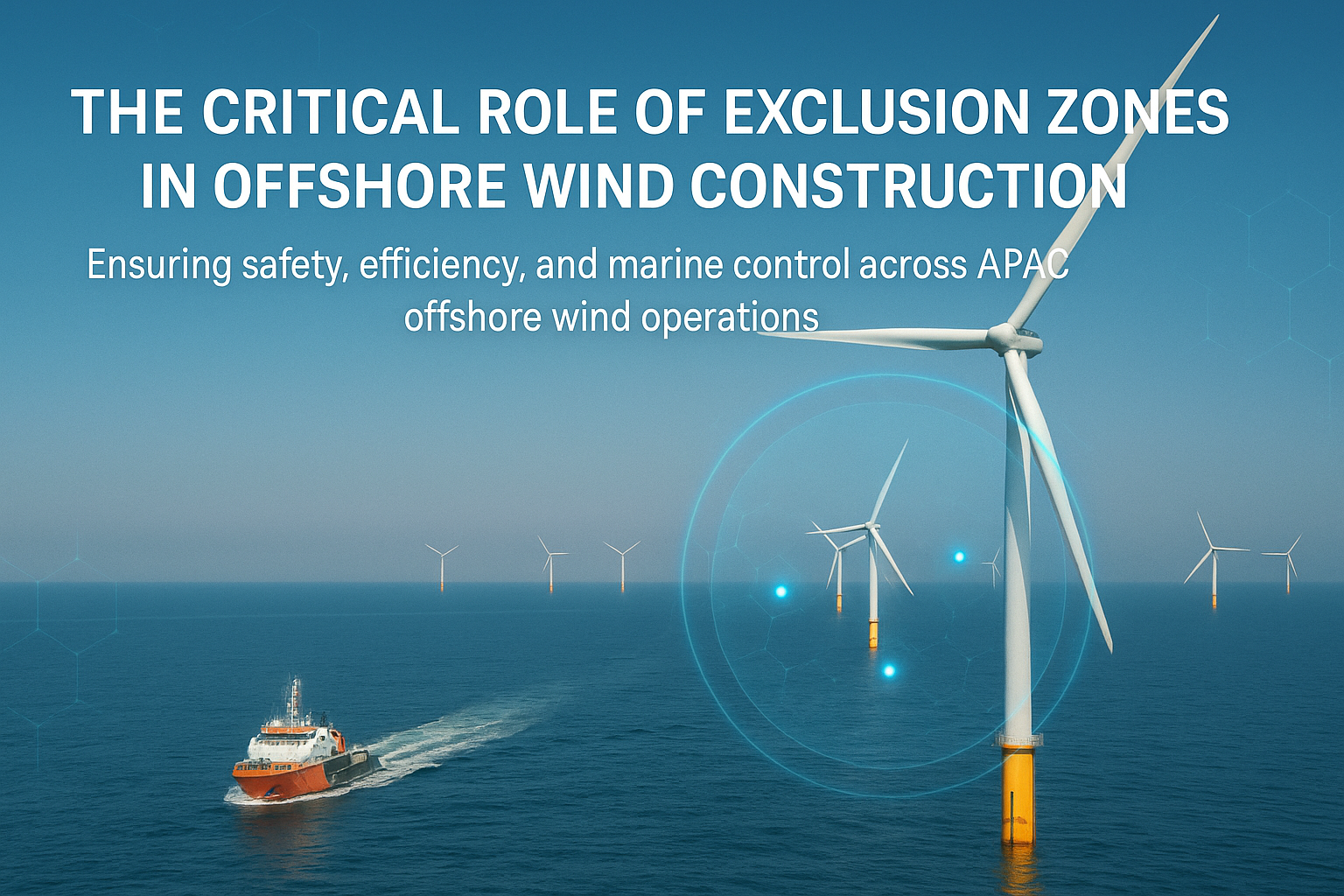
The Critical Role of Exclusion Zones in Offshore Wind Construction
By Nautic Energy – Marine Services & Offshore Support
Smooth Seas, Safe Sites: Why Exclusion Zones Matter in Offshore Wind Construction
As offshore wind development continues to expand across the APAC region, the importance of well-managed marine operations has never been higher. The waters surrounding Taiwan, Japan, Korea, and Southeast Asia are some of the busiest and most dynamic maritime environments in the world. Installation vessels, fishing fleets, survey teams, CTVs, and commercial shipping all operate in close proximity — often simultaneously.
To maintain safety and efficiency during construction, offshore wind developers rely on one essential tool:
Exclusion Zones.
These controlled maritime areas protect construction teams, installation vessels, survey spreads, and the wider maritime community. Managed correctly, exclusion zones significantly reduce risk, prevent operational delays, and support safe offshore wind construction.
What Is an Exclusion Zone in Offshore Wind?
An exclusion zone is a clearly defined area around offshore wind activities where access is restricted or controlled.
They may surround:
Turbine installation areas
Jack-up vessels and heavy lifting operations
Cable-laying and burial spreads
Survey vessels and ROV/diving operations
Geophysical and geotechnical campaigns
UXO investigation areas
Temporary construction spreads
The purpose is simple:
to maintain a safe, predictable working environment and prevent interference with offshore operations.
Why Exclusion Zones Are Essential for Offshore Wind Operations
1. Protecting Personnel and Offshore Assets
Offshore wind construction involves high-risk activities such as lifting, piling, diving, trenching, and cable installation. Exclusion zones minimise the chance of:
Vessel collisions
Interruption to lifting operations
Damage to subsea equipment
Interaction with divers or ROVs
Accidental contact with exposed cables
Maintaining a clear perimeter is a fundamental part of offshore construction safety.
2. Preventing Delays and Operational Downtime
Unplanned vessel intrusions can force immediate work stoppages under offshore HSE protocols. This can disrupt:
Turbine installation schedules
Jack-up moves
Cable-laying sequences
Survey operations
Maintenance campaigns
Well-planned and well-managed exclusion zones dramatically reduce these disruptions.
3. Protecting Local Maritime Users
The APAC region — especially Taiwan — has high levels of coastal and offshore fishing activity. Exclusion zones protect local marine traffic by:
Clearly marking restricted areas
Broadcasting zone boundaries via AIS
Issuing Notices to Mariners (NTMs)
Helping vessels avoid subsea hazards and construction assets
This ensures the safety of the wider maritime community.
Types of Exclusion Zones in Offshore Wind
Construction Exclusion Zones
Active around installation vessels, jack-ups, barges, or crane operations — typically 24/7.
Survey & Temporary Work Zones
Used during UXO campaigns, geophysical surveys, ROV inspections, and sampling.
Cable-Lay & Burial Zones
Protect exposed cables, trenching equipment, and subsea tools.
Environmental Protection Zones
Established near sensitive habitats or during seasonal restrictions.
How Exclusion Zones Are Managed Offshore
Maintaining effective exclusion zones requires coordinated planning, reliable communication tools, and experienced offshore management.
1. Marine Coordination (MC)
Marine Coordinators — such as those deployed by Nautic Energy — manage:
Vessel access approvals
SIMOPS planning
Daily briefings
Permit-to-work integration
Radio communications
Personnel tracking
Scheduling for CTVs and construction craft
This “control tower” function ensures safe and organised operations.
2. Guard Vessels & Patrol Craft
Guard vessels support zone integrity by:
Monitoring the boundary
Communicating with approaching craft
Providing early intervention
Supporting emergency response
They play a vital role in the high-traffic waters of Taiwan and the broader APAC region.
3. AIS Marking & Virtual Buoy Systems
Digital Aids to Navigation (AtoNs) allow exclusion zones to be marked electronically and displayed on AIS-equipped vessels.
Nautic Energy’s Virtual Buoy & Communications System offers:
High-visibility digital markers
Real-time updates
Reduced reliance on physical buoys
Better monitoring for evolving work areas
This is especially effective for dynamic construction environments.
4. Notices to Mariners & Stakeholder Communication
Communication with:
Fishing associations
Local ports
Coast Guard
Commercial shipping
Marine agencies
helps ensure that all maritime users understand the construction footprint and avoid restricted zones.
APAC-Specific Offshore Challenges
Offshore wind operations in Asia-Pacific face unique regional conditions that make exclusion zones especially important:
Dense fishing vessel presence
Strong currents and seasonal swell
Typhoon-prone weather windows
Congested ports and approaches
Multinational, multilingual offshore crews
Rapidly changing marine conditions
These factors require well-planned operational controls and experienced local marine management.
How Nautic Energy Supports Exclusion Zone Management
Nautic Energy provides comprehensive offshore marine services supporting safe and efficient exclusion zone management:
✔ Marine Coordination & 24/7 Vessel Traffic Control
Coordinating CTVs, supply vessels, contractors, and survey craft.
✔ Offshore Site Management
Ensuring zone integrity during daily operations.
✔ Virtual Buoy & Offshore Communications Systems
Digital AtoNs and remote marking for construction areas and cable routes.
✔ Surveying & Seabed Operations Support
Supporting geophysical, geotechnical, and UXO survey operations.
✔ HSE Integration
Ensuring exclusion zones align with project safety cases and emergency plans.
✔ Global Weather Forecasting
Supporting safe access, planning, and work execution.
With extensive experience across Taiwan and APAC offshore wind projects, Nautic Energy understands the unique operational conditions of this region.
Conclusion
Exclusion zones are a critical component of offshore wind construction, protecting crews, vessels, subsea assets, and the wider maritime community. In the fast-growing offshore wind markets of APAC, well-designed and professionally managed exclusion zones are essential to safe and efficient operations.
To learn how Nautic Energy can support your offshore operations, marine coordination, and site-management needs, contact our team today.
HSE in Offshore Wind
HSE in Offshore Wind: Protecting People, Assets & the Environment
In the rapidly expanding offshore wind sector, ensuring safety and sustainability is as important as producing clean energy. With hundreds of personnel, high-risk operations, and extreme environments, the offshore wind industry demands a robust Health, Safety, and Environment (HSE) framework.
At Nautic Energy, HSE isn’t just a regulatory checkbox — it’s a core value woven into every stage of our projects. From risk assessments and documentation to onsite safety management and audits, we provide clients with experienced support that helps meet industry standards and protects what matters most.
Why HSE Is Essential in Offshore Wind
The offshore environment is inherently hazardous. Working at sea involves unpredictable weather, moving vessels, high voltages, rotating machinery, and simultaneous operations (SIMOPS). Without structured safety protocols and environmental oversight, risks to human life, marine ecosystems, and project performance increase dramatically.
The objectives of HSE in offshore wind are to:
✅ Protect offshore personnel from injury or harm
✅ Ensure safe and compliant vessel and turbine operations
✅ Prevent environmental incidents such as fuel spills or seabed disruption
✅ Satisfy international, regional, and client-specific regulatory frameworks
Core Functions of HSE in Offshore Projects
At Nautic Energy, our HSE services are structured to support both developers and contractors throughout the full lifecycle of an offshore wind farm. Our HSE functions include:
📝 1. Safety Documentation & Procedures
We develop and review key project documents such as:
Emergency Response Plans (ERP)
HSE Plans & Bridging Documents
Toolbox Talks (TBTs) & Safety Briefings
Permit to Work (PTW) systems
These ensure clarity, consistency, and shared responsibilities across multi-contractor operations.
⚠️ 2. Risk Assessments & Method Statements (RAMS)
We assist in drafting, reviewing, and implementing RAMS to identify hazards and define control measures. This is a cornerstone of proactive incident prevention.
🚨 3. Incident Response & Management
Our team is trained to coordinate emergency responses at sea, including medical evacuations, oil spills, and collision incidents — all supported by compliant reporting procedures.
📊 4. Site Inspections & Audits
Routine site visits, vessel inspections, and compliance checks ensure that operations align with contractual, environmental, and statutory expectations.
🌍 5. Environmental Monitoring
We help clients mitigate their environmental impact, from noise pollution to waste management and marine fauna protection, in line with regional environmental directives.
🤝 Collaboration with Marine Coordination
Our HSE team works hand-in-hand with Marine Coordinators to control access to offshore assets, enforce exclusion zones, and ensure all personnel are certified, tracked, and working under valid permits. This synergy is crucial to safe SIMOPS execution and real-time response readiness.
The Nautic Energy Approach to HSE
What sets us apart?
Over 30 years of offshore wind experience across Asia and Europe
A team made up of Construction, Marine managers, and safety specialists
Strong knowledge of GWO, IMCA, IMO and ISO standards
Commitment to continuous improvement, learning, and reporting
💬 Final Thoughts
In offshore wind, HSE isn’t just about compliance — it’s about commitment. Commitment to the well-being of your workforce, to operational integrity and to protecting the marine environment we all rely on.
Whether you're commissioning new assets, managing a construction campaign or optimizing ongoing maintenance, Nautic Energy delivers the HSE insight and support that keeps your project moving forward — safely and sustainably.
Ready to strengthen your offshore HSE strategy?
Contact us today or visit our HSE Services Page to learn how we can support your next offshore campaign.
IMCA & Survey Inspections

IMCA Inspections & Ship Surveying: Raising Standards in Offshore Wind
Offshore wind farms are built in some of the world’s most challenging and dynamic environments. Ensuring vessel reliability and operational safety is paramount — and that’s where IMCA Inspections and professional Ship Surveying come in.
At Nautic Energy, we provide independent, certified inspection and surveying services aligned with IMCA (International Marine Contractors Association) standards. Our goal: to help developers, owners, and operators meet strict safety, compliance, and performance requirements — while keeping projects efficient, accountable, and audit-ready.
What Are IMCA Inspections?
IMCA Inspections refer to internationally recognized vessel audit protocols designed to assess a ship's safety, compliance, and suitability for offshore work. Two of the most common types are:
eCMID (Common Marine Inspection Document)
A digital inspection covering vessel equipment, crew competency, safety management, and environmental controls.eMISW (Marine Inspection for Small Workboats)
Tailored to smaller vessels like Crew Transfer Vessels (CTVs), often used in wind farm operations. It evaluates safety readiness, documentation, and crew certification.
These inspections are vital to ensure that vessels supporting offshore wind farms — from survey craft to jack-ups — are operating at a high and consistent standard.
🚢 What Is Ship Surveying?
Ship surveying is the broader technical evaluation of a vessel’s structure, systems, and compliance status. Our surveyors assess everything from hull integrity to navigation equipment, and from firefighting systems to lifesaving appliances.
It plays a critical role during:
Charter party handovers
Pre-purchase inspections
Warranty assessments
Incident investigations
Dry dock planning and approvals
In offshore wind, these surveys support asset assurance and risk reduction at every phase of the project.
Why This Matters in Offshore Wind
Offshore wind farms involve multiple vessels, often working in parallel, in high-traffic zones and variable weather conditions. Without rigorous inspections and surveys:
Equipment failures increase
Safety protocols may be inconsistent
Certification lapses can delay operations
Regulatory breaches could lead to shutdowns or fines
By ensuring vessels meet IMCA and flag/state requirements, project leaders gain peace of mind — and insurers gain proof of due diligence.
Nautic Energy’s Inspection Services
As a trusted HSE and marine coordination partner, Nautic Energy offers:
Certified eCMID and eMISW inspections
Independent ship surveys for offshore and port-based assessments
IMCA-compliant reports ready for client and audit submission
Digital tracking of certificates and findings via cloud-based platforms
Practical recommendations based on real-world offshore experience
All inspections are carried out by trained surveyors with extensive wind industry backgrounds and a sharp eye for operational risk.
🌍 Supporting Offshore Wind Worldwide
Our inspection and survey teams have supported projects across Europe, the UK, and Taiwan, ensuring vessels of all classes meet stringent local and international standards.
Whether it’s a 30-metre CTV or a 130-metre cable-lay ship, our commitment to quality and safety remains the same.
💬 Final Thoughts
Reliable vessels are the backbone of offshore wind success. IMCA inspections and ship surveys provide the framework for safe, compliant, and efficient marine operations.
At Nautic Energy, we deliver inspection services that align with your project’s pace and priorities — ensuring that no vessel sets sail without certainty.
Need your vessels surveyed or inspected to IMCA standards?
Contact us today or visit our Marine Services page to learn how we support offshore wind developers from port to project site.